Grass-Fed vs Grass-Finished Beef: What Actually Changes in the Fat
How grass-fed tallow off a regenerative Tom Miner Basin ranch becomes the oldest skincare there is.
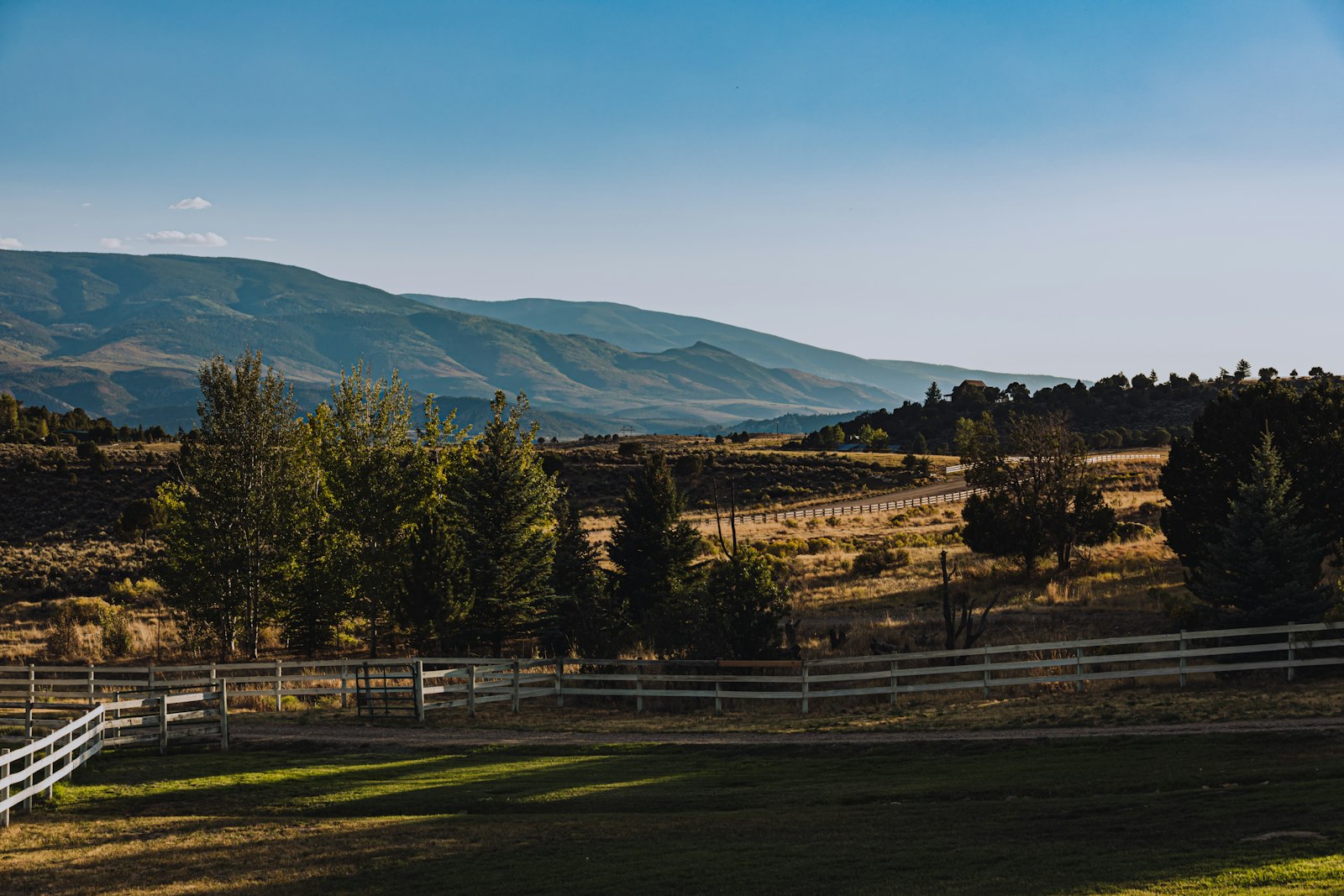
The basin holds onto morning longer than the valley does. Light comes over the eastern ridge in pieces, finds the frost on the corral rails, and turns it to water before most of the cattle have stood up. I’ve been here long enough to know the order of it, and still I stop and watch. There’s a particular quiet to a herd that’s content. No bawling, no pushing at the gate. Just grass being worked over and the slow turn of a few hundred animals deciding the day is fine.
People who visit want to talk about the cattle as a product. I understand the instinct, but it has never been how the land reads to me. The animals are part of a longer sentence. They move where we ask them to move, graze a piece down, and leave it to rest. The grass comes back deeper for it. The soil holds more water through the dry stretch of August. Birds we did not used to see are nesting in the taller stands. That rhythm is the whole point of raising them this way. We raise cattle the way we do because the basin is healthier with them in it than without, and because we would rather hand this ground to the next people in better shape than we found it.
Grass-fed or grass-finished: what the label actually means
What I’ve been thinking about lately is everything that comes off an animal that the land already paid for. We’re careful with the meat, of course. But there is the rest of it, the parts a feedlot has no patience for, and grass-fed tallow is the one that keeps surprising me. Rendered slow, the fat off a grass-raised animal turns into something clean and pale and oddly gentle. It doesn’t smell like a kitchen accident the way people expect. It smells like almost nothing, which is the first sign it was done right.
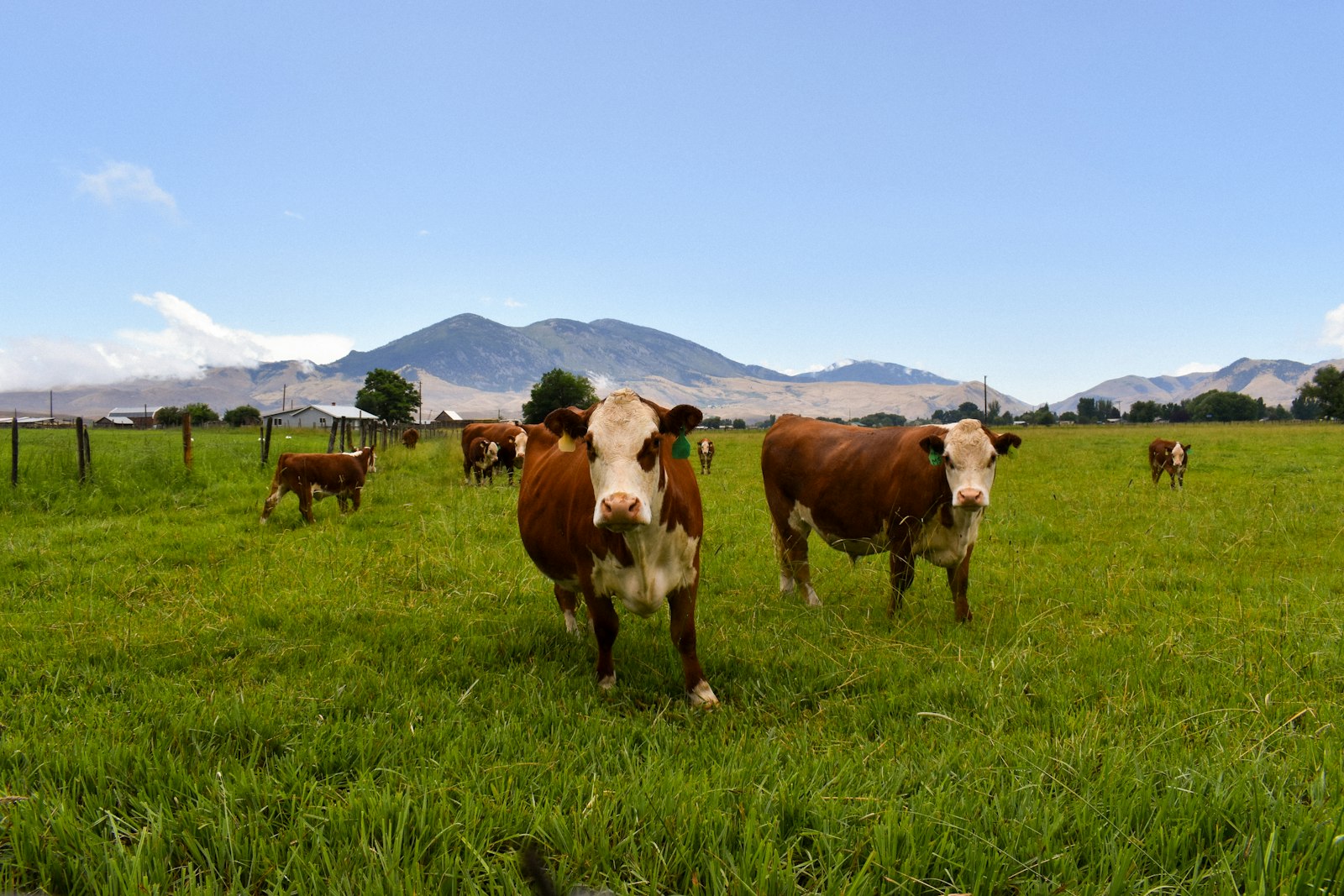
People say grass-fed, and that’s the word the labels reach for, but it has quietly stopped meaning much. Nearly any animal can wear it, since almost all of them touch grass at some point. What matters is grass-finished. These cattle never leave the grass, not even at the end, when most operations move a herd onto grain to fatten it fast. Ours stay on the basin to the last day. Not many can say that, and you can read it in the fat.
For most of human history this wasn’t a curiosity. Tallow was salve and lamp and soap and the thing a rancher’s mother kept in a tin by the stove for cracked hands in winter. We forgot it for a few decades while the shelves filled up with bottles, and now people are coming back to it.
“Graze and rest. Take only what the land can replace. Use the whole of what you are given. Hand it on better than you found it.”
How grass-finished tallow becomes skincare
A neighbor of ours has built her whole life around that remembering. Holly Stoltz runs Sego Lily Skincare over near Pompeys Pillar, and she renders grass-finished tallow into skincare by hand. She is a fourth-generation Montana rancher, so she didn’t come to this through a trend. She came to it the way you come to anything on a ranch, by needing it to work. Some of the tallow she works with comes off cattle raised the way ours are, on grass, on land that is being looked after. When she told me she could feel the difference in the fat depending on how the animal was raised, I believed her before she finished the sentence. Of course she can. The animal carries the basin in it. The grass, the rest, the water it held. That does not disappear when the fat is rendered. It is the reason the simple thing works.
She renders it herself, slow and more than once, which almost nobody bothers with anymore. Most of what gets sold as tallow was bought already rendered by someone who never met the animal and never took the time to pull the impurities out. That is the whole reason so much of it carries a smell people brace for. Hers does not, because she knows exactly what went into it and she did the patient part herself.
I find I like the symmetry of it. We spend our days trying to leave the ground better than we found it, and a few valleys over someone is taking what that ground produced and turning it into the oldest skin care there is. The loop closes in a way that feels right. Nothing wasted, nothing pretending to be more than it is. A jar of it is just rendered fat and a little patience, the same thing a ranch wife would have recognized a hundred years ago, made by someone who knows exactly which animal it came from and how that animal lived.
There’s a lesson in there about how things ought to be made, but I am wary of reaching for it too hard. The basin doesn’t lecture. It just keeps its rhythm, and the rhythm teaches you if you are around it long enough. Graze and rest. Take only what the land can replace. Use the whole of what you are given. Hand it on better than you found it. The cattle understand this without being told. We’re slower learners, but we get there.
The frost is gone off the rails now and the herd has drifted toward the creek. In a few months the grass will go gold and we’ll move them again, and the cycle that started long before any of us will keep on without much concern for whether we noticed. I notice anyway. It seems like the least I can do. And the next time I see a small jar of Holly’s tallow on someone’s shelf, I will know it did not start in a lab. It started here, in the cold morning light, with a sea of calm and curious eyes deciding the day was fine.
If you want to find what she makes from it, she’s at Sego Lily Skincare.